

Many plants that grow tall will benefit from being tied to a stake in the ground. We look at which plants could use this support and how to do it.
Benefits for you
- Staking plants helps develop fine and gross motor skills and coordination
- Looking after your plants as they grow gives a sense of caring and nurturing
- Enjoy time close up with nature, observing your plants and everything else around you
Introduction to staking and tying in plants
For plants that grow tall, tying them to a stake in the ground as they grow can help protect them from wind and heavy rain.
Particularly for plants with weaker stems or heavy leaves, fruit or flower heads, staking can stop them from bending or breaking. Keeping them upright can also allow air to circulate more freely around, supporting plant health.
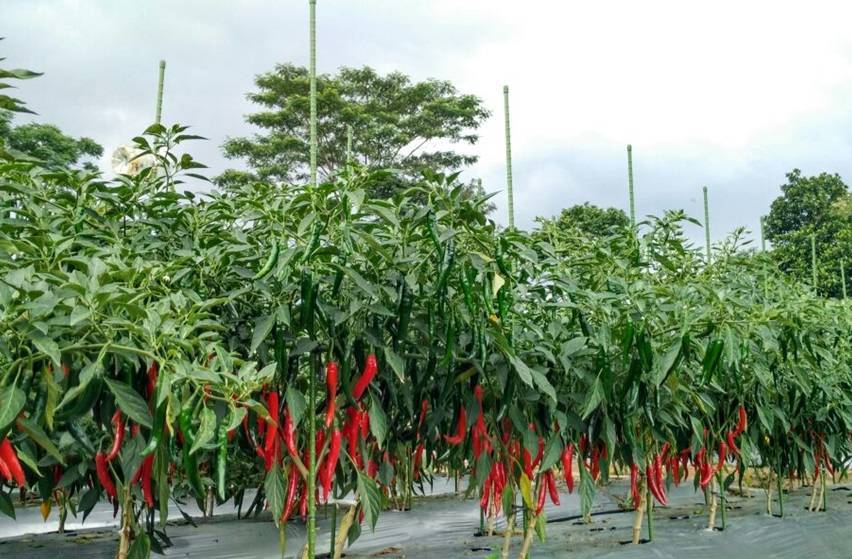
Examples of plants to stake and tie in
Many vegetables and perennials can benefit from being staked and tied in. As a rough guide, if they grow to 1 metre or taller, staking in may be helpful. Some examples are:
- Tomatoes
- Peas
- Beans
- Peppers
- Blackberries
- Sunflowers
- Tall-growing perennials (delphiniums, peonies, dahlias – variety dependent)
How to stake your plants
There are different ways to support plants. In this guide, we look at using a stake such as a bamboo cane. You can find some other options at the end of this article.
When to start staking in plants
When it comes to supporting plants, it’s always a good idea to plan ahead. Think about how tall your plants will get as you start growing them. If they will need a stake, add this at the same time as planting. If you add the stake later, you’re more likely to accidentally damage the roots.
It’s also a good idea to start tying your plants early. You don’t want to wait for them to completely flop over or break! Once your plant starts bending a little and can no longer hold itself upright, it’s a good time to tie it in.
For plants like tomatoes that produce heavy trusses of fruit, start tying in before this extra weight arrives.
How tall should a stake be
The height of a stake will depend a bit on the plant. For some that are naturally upright, you should be ok if your stake reaches to about 2/3 the height of your plant when fully grown. To be on the safe side, you may choose to use a stake that will stay a little taller than your plant.
If your stakes are much shorter than your plants, they are more likely to still be affected by wind and rain.
What you need
- Stakes (e.g. Take plant stakes / bamboo canes)
- Garden string / twine